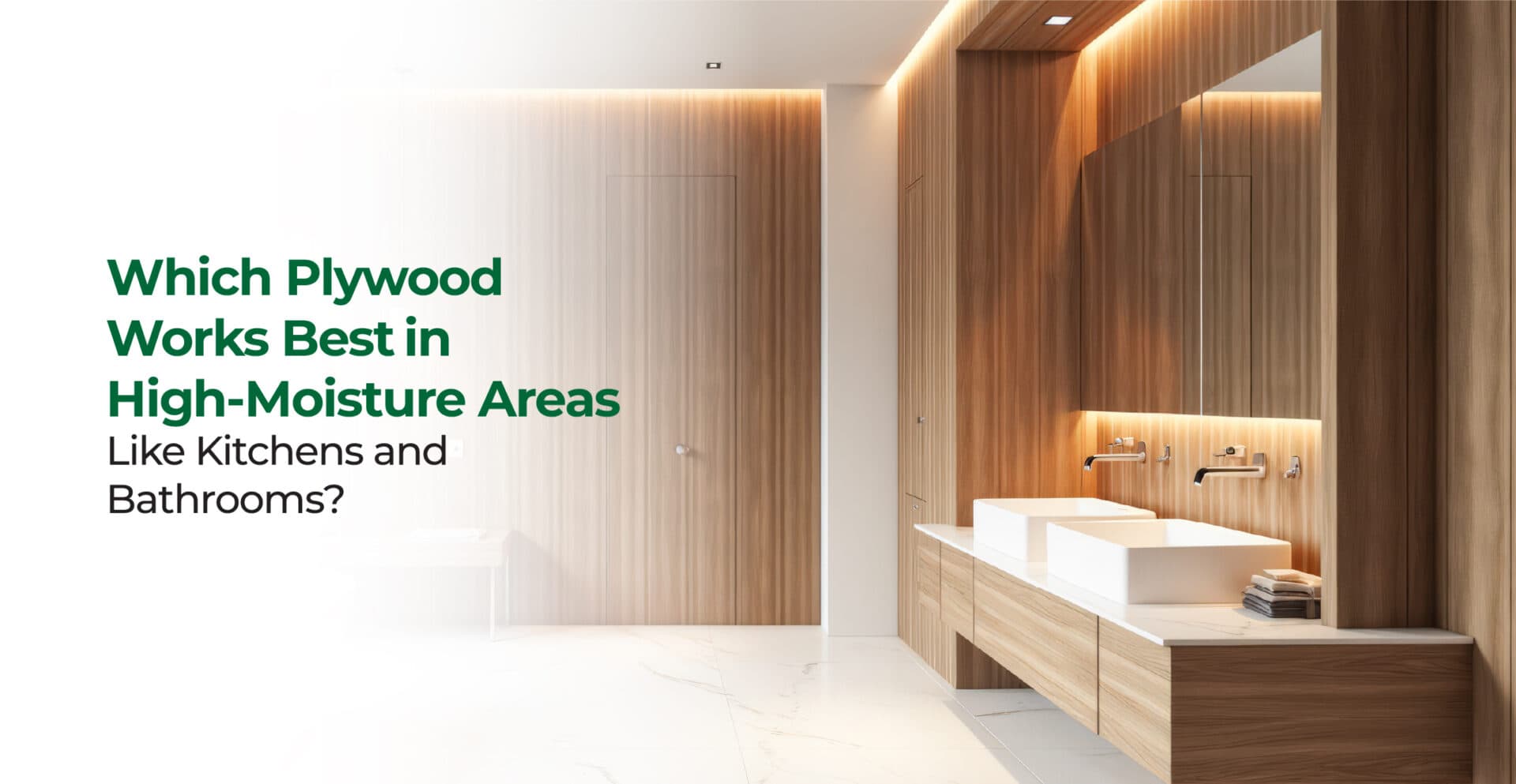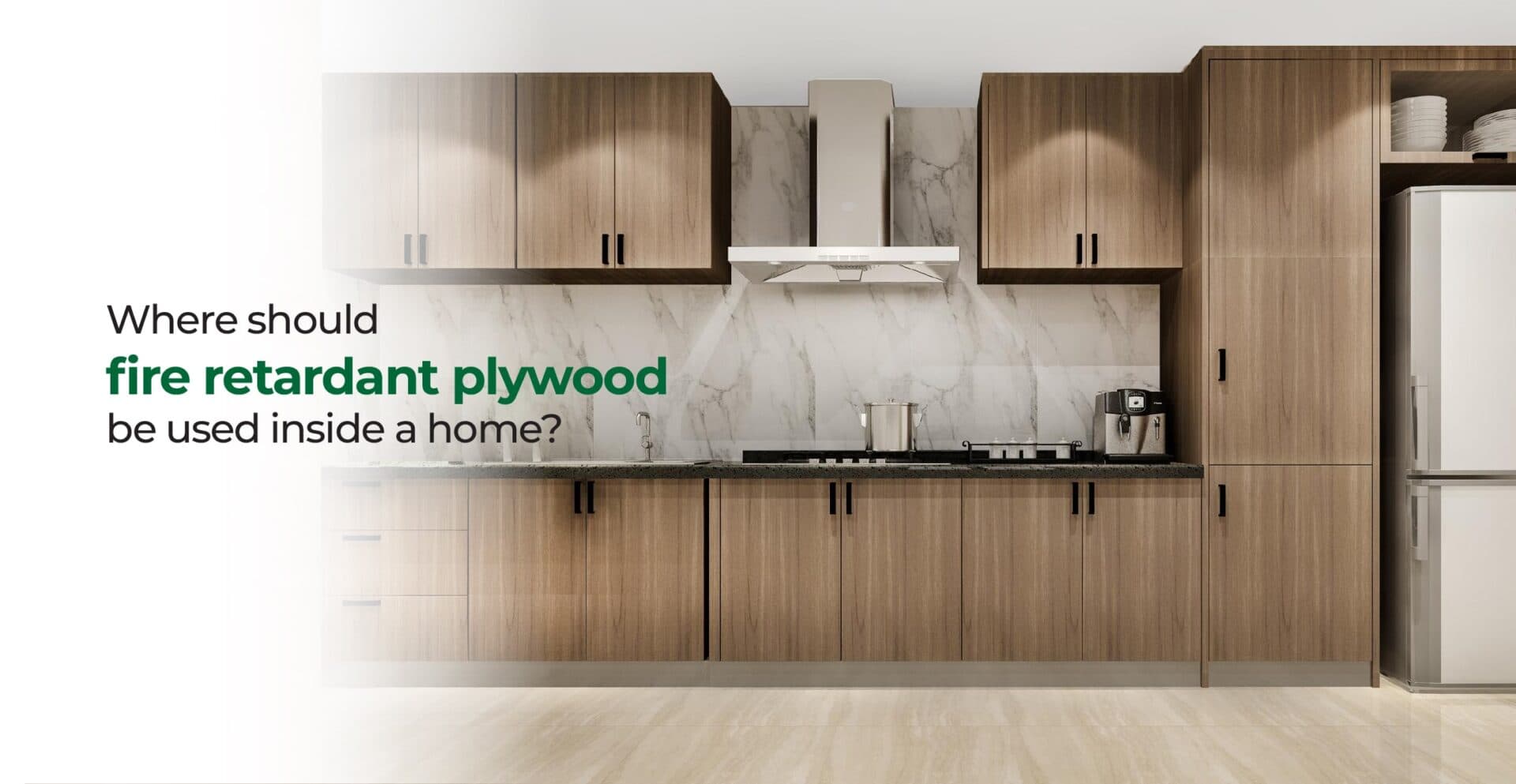
In construction and interiors, plywood stands out as a go-to material, used extensively in furniture making, wall treatments, and many other applications. However, not all plywood is designed to handle moisture effectively. Wet areas such as kitchens, bathrooms, utility rooms, and basements require specially engineered plywood that can withstand continuous exposure to water and humidity. Choosing the right plywood for wet areas is essential for ensuring durability, safety, and long-term savings.
Table of contents
- Why regular plywood is not suitable for wet areas
- Key features to look for in plywood for wet areas
- Best types of plywood for wet areas
- Common applications of waterproof plywood
- Tips for buying the right plywood for wet areas
- How to maintain plywood in wet areas
- Final thoughts
Why regular plywood is not suitable for wet areas
Most standard plywood is manufactured by bonding thin layers of wood veneer using adhesive. While it is strong and cost-effective, untreated plywood has a tendency to absorb moisture, which leads to swelling, delamination, fungal growth, and structural damage over time. Therefore, it is unsuitable for areas exposed to water and humidity.
To avoid such issues, it is critical to select waterproof plywood when working with wet areas.
Key features to look for in plywood for wet areas
Before purchasing plywood for moisture-prone spaces, ensure that it possesses the following essential features:
1. Waterproof grade
Opt for plywood labeled as Boiling Water Proof (BWP) or Marine Grade. These types are manufactured using waterproof adhesives and treated veneers, offering excellent resistance to moisture.
- BWP Plywood: BWP Grade Plywood is ideal for use in kitchens, bathrooms, and utility spaces.
- Marine Plywood: Designed for extreme wet conditions, suitable for outdoor applications and heavy-duty indoor use.
2. Anti-fungal and borer resistance
Continuous exposure to moisture can result in fungal growth and insect infestations. Opt for plywood that is chemically treated to resist fungus and borer attacks, ensuring long-term protection and hygiene.
3. Superior core and face veneer quality
Examine the quality of the plywood core and surface veneer. A good quality core ensures minimal chances of warping, while a smooth and strong face veneer improves the plywood’s appearance and durability.
4. E0 Emission compliance
Indoor air quality is especially important in wet areas where ventilation may be limited. Plywood with E0 emission compliance releases little to no formaldehyde, making the indoor environment healthier and safer.
5. Calibrated plywood
Calibrated plywood offers uniform thickness throughout the sheet. This feature ensures better surface finishing and reduces the risk of deformation caused by uneven moisture absorption.
Best types of plywood for wet areas
Below are the types of plywood that are most suitable for wet and humid environments:
Marine plywood
- Exceptional water resistance
- Bonded with high-quality waterproof adhesives
- Highly durable, even under continuous exposure to moisture
- Ideal for bathrooms, kitchens, and outdoor furniture
BWP grade plywood
- Certified as Boiling Water Proof
- Suitable for kitchen cabinets, under-sink storage, bathroom shelves, and utility room furniture
- Resistant to swelling, delamination, and fungal attacks
If you are exploring different types of plywood, it is important to understand which variants are specifically designed to perform in wet areas.
Common applications of waterproof plywood
Waterproof plywood should be used in the following areas:
- Bathroom vanities and cabinets
- Kitchen countertops and under-sink units
- Utility room and laundry area storage
- Wall paneling near wet zones
- False ceilings in humid environments
- Covered outdoor furniture
Tips for buying the right plywood for wet areas
Use the following checklist when selecting plywood for wet areas:
Choose a reputed brand
Purchase plywood from established and reputed brands. Top manufacturers follow stringent quality standards and provide products backed by relevant certifications and warranties.
Look for certifications
Ensure that the plywood has the following marks:
- ISI Certification (IS:710 for Marine Plywood)
- BWP Grade Certification
- E0 or E1 Formaldehyde Emission Certification
Inspect the sheet carefully
Inspect the plywood for:
- Uniform thickness
- Absence of visible gaps, cracks, or overlaps
- Smooth and well-finished surfaces
Confirm the warranty
Premium waterproof plywood is often backed by warranties ranging from 7 years to 25 years. A longer warranty period often reflects a manufacturer’s confidence in the product’s performance, indicating higher quality and enhanced durability.
How to maintain plywood in wet areas
Even the most durable plywood benefits from proper care. Follow these maintenance tips to maximize the lifespan of your installations:
- Seal the Edges: Always seal the edges and joints using waterproof sealants or laminates to prevent water ingress.
- Ensure Proper Ventilation: Good airflow reduces humidity and prevents mold and mildew growth.
- Avoid Water Stagnation: Do not allow water to accumulate near plywood surfaces.
- Use Waterproof Laminates: Apply waterproof laminates or finishes to provide an additional layer of protection.
Final thoughts
Selecting the right plywood for wet areas is crucial for ensuring the durability, aesthetics, and safety of your home or commercial space. Regular plywood cannot withstand the challenges posed by constant exposure to moisture. Investing in certified BWP or Marine Grade plywood ensures that your installations remain strong, attractive, and free from damage for years to come.
Brands like SharonPly offer premium quality waterproof plywood that meets the highest standards of performance, durability, and safety. With the right choice of plywood from a trusted brand, you can create spaces that are resilient, beautiful, and built to last.